Flat vs. Pitched Roofs: Which is Right for Your Property? May 30, 2026
A flat roof is characterized by a low slope, typically with a pitch of 10 degrees or less. This style is common in commercial buildings but is increasingly popular in residential settings for its modern, sleek look. One of the main advantages of flat roofs is their affordability. They require fewer materials and are easier to install, which often results in lower upfront costs compared to pitched roofs.
Moreover, flat roofs provide extra usable space. Many homeowners opt to use their flat roofs as additional outdoor areas like terraces or gardens, which can be an appealing feature for urban properties where yard space is limited. Flat roofs also facilitate easier maintenance, as accessing them for cleaning, repairs, or inspections is more straightforward given their low slope.
However, flat roofs do come with some challenges, particularly in terms of drainage. Without a significant slope to direct water flow, there is a higher risk of water pooling, which can lead to leaks or structural damage over time. This means investing in a high-quality waterproofing system and regular maintenance checks is crucial to ensure longevity.
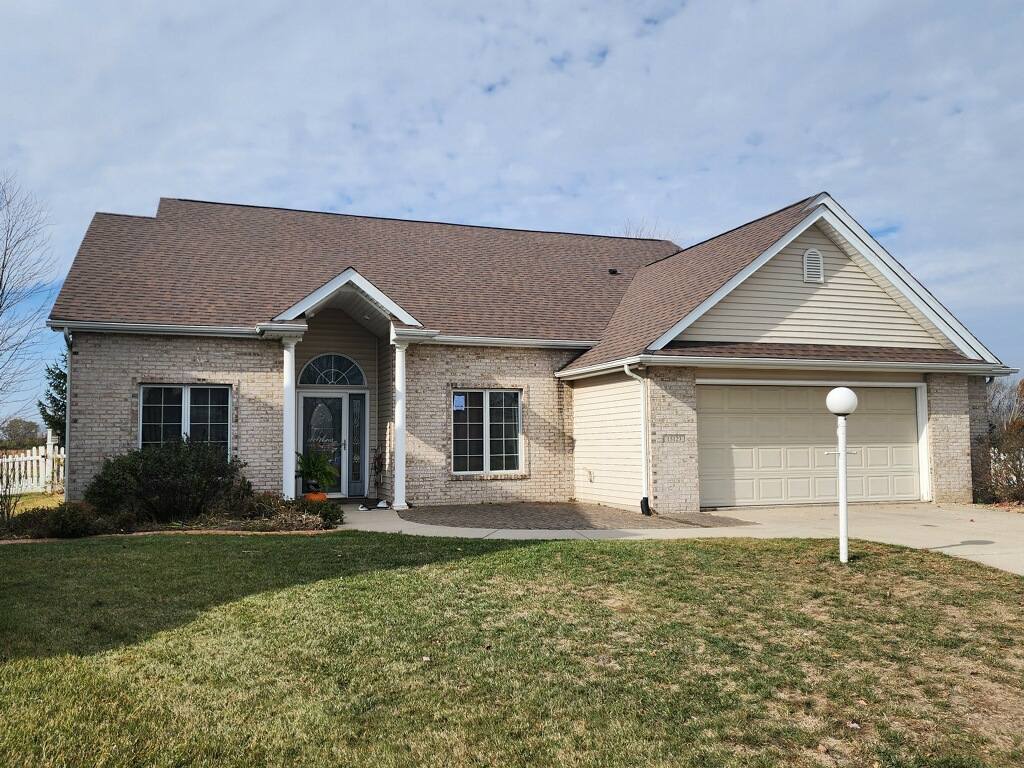
On the other hand, pitched roofs—which feature sloping sides meeting at a peak—are renowned for their durability and excellent drainage capabilities. The slope efficiently channels water and debris, thereby reducing the potential for leaks and decreasing the need for frequent repair work. Pitched roofs also offer the potential for additional attic space, which can be utilized for storage or even expanded living areas.
Pitched roofs tend to be more suited for regions with heavy rainfall or snow, as the angle allows snow to slide off, minimizing the risk of accumulation and structural strain. Despite the higher initial installation cost due to more complex construction and additional materials, their durability can lead to lower long-term maintenance costs.
Style is another important consideration. Pitched roofs provide a classic, traditional look that many homeowners find appealing and which can add architectural character to your property. The choice between flat and pitched roofs might also be influenced by homeowner association rules or neighborhood architectural trends, which could dictate certain appearances.
When choosing between a flat or pitched roof, consider factors such as climate, budget, aesthetic preferences, and future plans for roof use. It's essential to align your choice with both immediate needs and long-term benefits to ensure satisfaction with your investment.
Ultimately, making this decision should involve consulting with experienced professionals like those at Schelfo Roofing. Our team offers personalized guidance to ensure you select the roofing solution that best fits your property and lifestyle. With expert installation and top-quality materials, we help get the most out of your roof, whether flat or pitched. Reach out to us today to discuss your project and find the roofing style that’s right for you.